
South Florida's · Professional Drone Services
Find Your Lost Pet with Thermal Drone pet Recovery service
The more time that passes, the harder the search becomes. We want to use every tool we have available to help locate your pet and bring them home. Even if we are not able to find your pet, we can offer peace of mind by reasonably ruling out areas where they could be.
What to Expect When You Hire a Drone Pilot for Pet Recovery
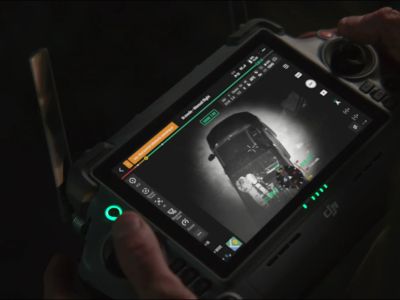
When your pet goes missing, every second feels urgent. You’ve heard that thermal drone searches can help, but what does that actually look like?
Here’s a step-by-step guide to what happens when you hire a thermal imaging drone pilot from Drone Pet Recovery.
Step 1: Contact Us Immediately
As soon as your pet goes missing, reach out.
We’ll ask a few key questions:
- When and where was your pet last seen?
- What’s their breed, age, and temperament?
- Are you in woods, a neighborhood, or open fields?
Sharing GPS pins of recent sightings and clear photos or videos (especially showing unique markings) helps us build the best plan.
We’ll also evaluate whether conditions are right: dense tree cover and bright sun can reduce thermal camera effectiveness.
Step 2: We Build a Custom Search Plan
If your pet was seen within the past 24 hours and the terrain is favorable, we may launch immediately. In residential areas, we might first focus on community alerts.
We select a launch site with open visibility and strong signal strength to cover as much ground as possible.
Step 3: On-Site Setup and Thermal Search
Once on location, we set up a screen so you can watch the search in real-time and help verify any heat signatures we find.
We scan the area using:
- Thermal cameras to detect heat
- Spotlights for night searches
- Zoom lenses to visually confirm targets
Thermal drones can detect animals in fields, brush, or near buildings—but not through solid walls. If we spot something warm, we switch to a visual camera to investigate.
Step 4: Recovery Support
If your pet is located, we provide air support to guide you in. But here’s the critical part: you need to be ready to recover them safely.
Before we arrive, please watch this essential video on calming signals:
👉 drn.pet/CalmingSignals
Why? Because chasing, shouting, or rushing toward a frightened pet often drives them farther away. Knowing how to approach calmly makes all the difference.
What to Bring to the Search
To help coax your pet home, have these items ready:
- Leash, harness, or carrier
- Treats or smelly food (like a warm burger)
- Favorite toy or blanket
- Another familiar dog (if you have one)
- An item of clothing with your scent
How to Approach a Scared Pet
Remain calm and remember:
- Don’t run or shout
- Crouch down and move slowly
- Avoid eye contact and loud calls
- Use food and scent to draw them to you
- Keep people and distractions to a minimum
Again, we strongly recommend watching the calming signals video linked above before your recovery attempt.
If We Don’t Find Your Pet Right Away
Don’t lose hope.
Not every pet is found on the first try. But even an unsuccessful flight provides valuable information. We’ll rule out areas, collect data, and return if there are new sightings.
We’re With You Every Step
Losing a pet is emotional and overwhelming. We understand. Our job is to give you clarity, tools, and hope and we’re committed to walking this journey with you. Let’s bring your pet home-together.